
Scoliosis
If you’ve noticed that one shoulder sits higher than the other, or your child’s back looks slightly uneven, you may be wondering if it could be scoliosis.
Scoliosis is a common condition, particularly in children and teenagers, and while it can sound concerning, most cases are mild and can be managed without surgery.
What is scoliosis?
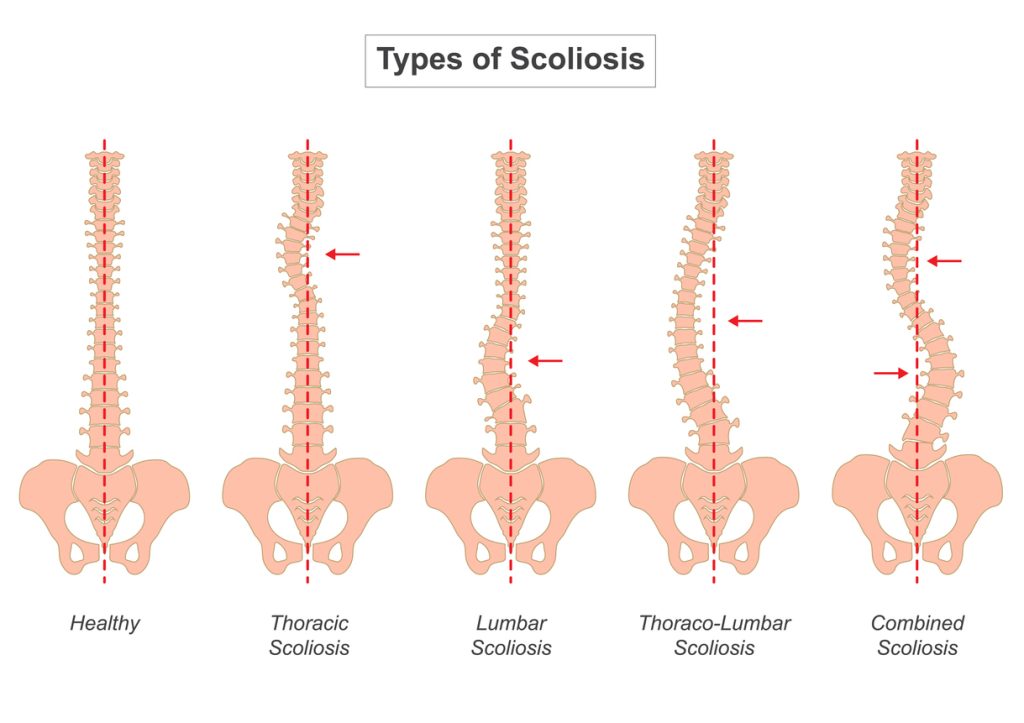
Scoliosis is a sideways curve of the spine. While a healthy spine has natural curves when viewed from the side, it should appear relatively straight when viewed from behind.
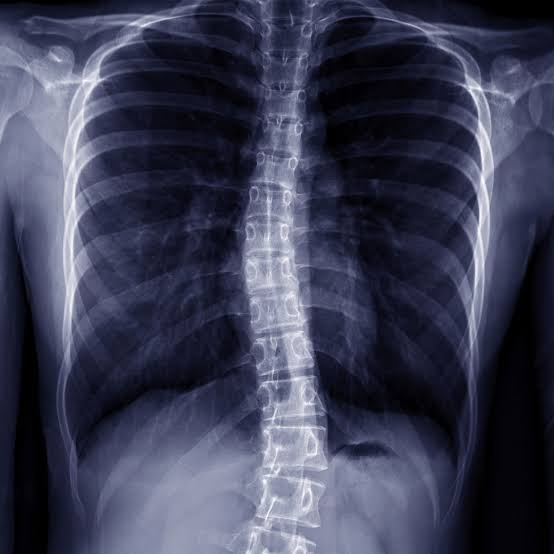
A diagnosis of scoliosis is made when the curve measures 10 degrees or more on an X-ray. The condition can develop at any age but is most commonly seen during periods of rapid growth, such as adolescence. Adults can also develop scoliosis due to age-related changes in the spine.
When is scoliosis considered normal?
Not every spinal curve is a cause for concern. Many people have a mild scoliosis that doesn’t cause pain or limit their daily activities.
In these cases, treatment may simply involve regular monitoring, especially in children who are still growing. Many mild curves remain stable and never require further intervention.
When should you seek advice?
It’s worth having your spine assessed if you notice:
- One shoulder or hip sitting higher than the other.
- A visible curve in the spine.
- One side of the ribs appearing more prominent, especially when bending forward.
- Clothes fitting unevenly.
- Persistent back pain or stiffness.
- A curve that appears to be worsening over time.
Early assessment is particularly important in children and teenagers, as scoliosis can progress during growth spurts. Identifying changes early allows appropriate monitoring and, if needed, referral for further treatment.
How is scoliosis managed?
Treatment depends on your age, the size of the curve, whether it is progressing, and whether it is causing symptoms.
Management may include:
- Observation: Mild curves may only need regular check-ups.
- Physiotherapy: Exercise, strengthening, mobility work, and education can help improve movement, reduce pain, and support an active lifestyle.
- Bracing: Some children with moderate curves may benefit from a brace to reduce the risk of the curve progressing while they are still growing.
- Surgery: This is generally only considered for severe or rapidly progressing curves.
How can physiotherapy help?
Although physiotherapy can’t usually straighten a structural scoliosis, it can play an important role in helping you manage the condition.
A physiotherapist can:
- Develop an individualised exercise program.
- Improve strength, flexibility, and posture.
- Help manage pain and stiffness.
- Support you to stay active and confident in your movement.
- Monitor changes and advise when further assessment may be needed.
The bottom line
Most people with scoliosis live active, healthy lives. While some curves require monitoring or treatment, many remain mild and cause few problems.
If you or your child have noticed changes in posture, uneven shoulders, or ongoing back pain, a physiotherapy assessment can help determine whether further investigation is needed and provide guidance on the best management options.
If you would like to book an appointment, give our reception a ring at (07) 4728 2116 or book online.


