
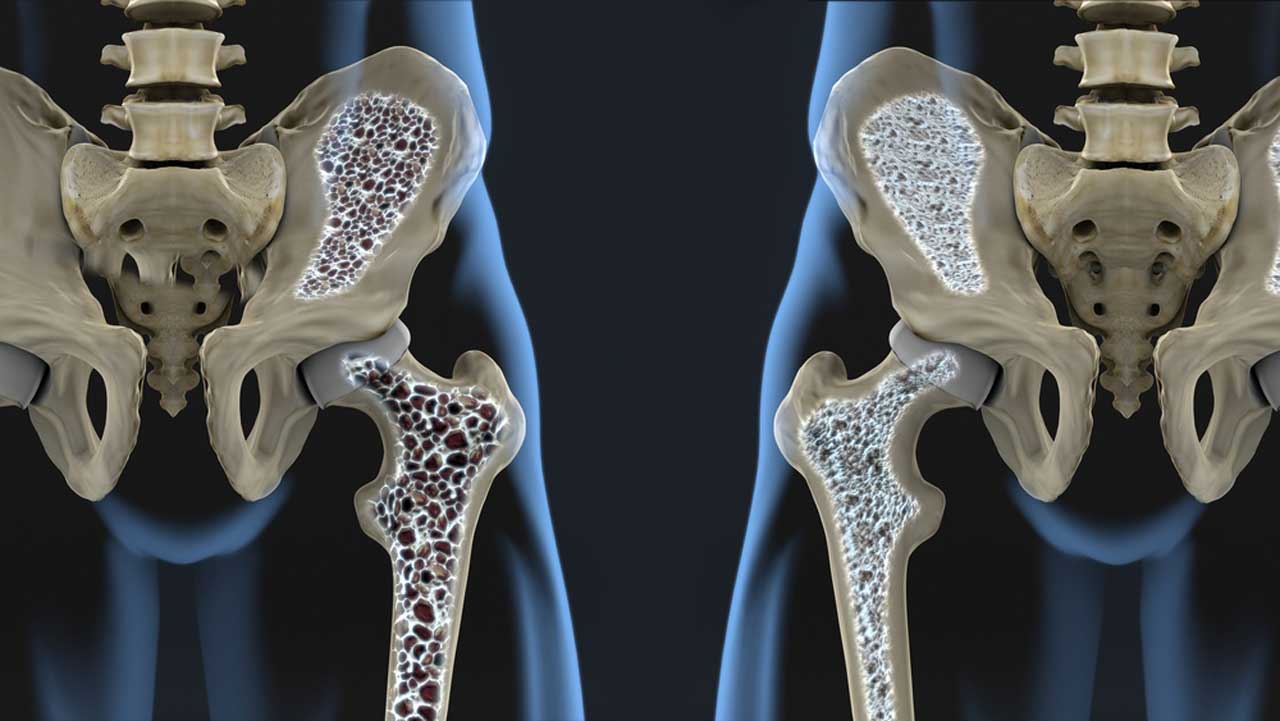
For years, vitamin D and calcium supplements have been promoted as a simple way to prevent falls and fractures as we age. Many people take them daily, believing they’re protecting their bones and reducing their risk of injury.
But new research suggests the story may not be so straightforward.
A Recommendation Built on Early Research
The widespread use of vitamin D and calcium supplements largely stems from research conducted in the 1990s, which suggested that taking supplements could reduce fracture risk in older adults, particularly those living in residential aged care facilities.
The logic seemed sound. Calcium is a major building block of bone, and vitamin D helps the body absorb calcium, therefore taking supplements should help prevent fractures. As a result, vitamin D and calcium became a common recommendation, and millions of people around the world started buying supplements.
However, science is always evolving. As more research becomes available, it’s important to revisit old assumptions and ask whether they still hold up.
What Did the New Research Find?
A large review published in The British Medical Journal in May 2026 looked at the results of 69 clinical trials involving more than 150,000 people.
The researchers wanted to answer a simple question: Do vitamin D and calcium supplements actually prevent falls and fractures?
Their conclusion was surprising. Most of the studies completed after 2010 found that for most adults, vitamin D, calcium, or a combination of both had little to no meaningful effect on reducing the risk of falls or fractures.
That doesn’t mean these nutrients aren’t important. People with low vitamin D levels, certain medical conditions, limited sunlight exposure, or specific dietary needs may still benefit from supplements. But the research suggests that simply taking a daily supplement is unlikely to be the solution many people hoped it would be.
The Missing Piece: Strength
When people think about fractures, they often focus on bone health. But most fractures don’t happen because bones suddenly fail on their own. They happen because someone falls. And when it comes to preventing falls, strength matters.
Strong muscles help you:
- Stay balanced when you trip or stumble
- Climb stairs with confidence
- Walk more steadily
- React faster if you lose your footing
As we age, muscle strength naturally declines if we don’t actively maintain it. This loss of strength can affect balance, mobility, and confidence, increasing the likelihood of a fall.
That’s why one of the most effective ways to reduce your risk of falls isn’t found in a supplement bottle; it’s found in a well-designed strength training program.

Exercise Is One of the Most Effective Tools We Have
In the conclusion of their paper, the authors made the following statement. “Apart from exercise and drug treatments for osteoporosis, few interventions with moderate or high certainty evidence have been consistently shown to reduce the risk of fractures.” (Massé et al., 2026)
Research consistently shows that exercise can reduce fall risk, particularly programs that include:
- Strength training
- Balance exercises
- Walking and mobility exercises
The benefits go far beyond fall prevention. Regular strength training can help you:
- Maintain independence
- Stay active for longer
- Improve confidence with movement
- Reduce aches and pains
- Increase bone density by putting appropriate loads through them.
In other words, exercise doesn’t just help your bones. It helps your entire body function better.
Where Physiotherapy Can Help
Knowing that strength is important is one thing. Knowing what exercises are right for you and how to progress them safely is another. That’s where physiotherapy comes in.
A physiotherapist can assess your strength, balance, mobility, and overall fall risk, then develop a program tailored to your goals and abilities. Whether you’ve had a previous fall, are concerned about your balance, or simply want to stay active as you get older, a personalised exercise plan can help you build strength safely and effectively. Many people are surprised to discover that improving their strength can dramatically improve their confidence as well. When you feel stronger, you move differently. You trust your body more. You worry less about falling.
The Takeaway
Vitamin D and calcium remain important nutrients for overall health, but the latest evidence suggests that supplements alone are unlikely to significantly reduce the risk of falls and fractures for most people.
If you’re looking for one of the most effective ways to protect yourself as you age, focus on maintaining your strength. Strong muscles support healthy movement. Healthy movement reduces falls. Fewer falls mean fewer fractures.
If you would like to see a physiotherapist for a personalised exercise plan with safe and gradual progressions, give our reception a call at (07) 47282116 or book online.
– Written by Nathan George (Physiotherapist)


